Tag Archives: VenuFlyTrap

Growing and Caring for Venus flytraps

Venus flytraps (Dionaea muscipula) are carnivorous plants that are native to the wetlands of the southeastern United States. They are a popular houseplant and are often grown for their unique ability to capture and digest insects.

Growing Venus flytraps requires some special care and attention, as they have very specific environmental requirements. In this article, we will discuss the key factors for successfully growing and caring for Venus flytraps.

Light: Venus flytraps require bright, direct sunlight to thrive. They should be placed in a south-facing window or under a grow light for at least 12 hours per day. However, be cautious not to expose them to too much intense sunlight, as this can burn their leaves.

Water: Venus flytraps require a lot of water, but it is important to avoid overwatering. They should be planted in a well-draining soil mix, such as a mixture of peat moss and perlite. The soil should be kept moist but not waterlogged. Rainwater or distilled water is preferred as tap water may contain minerals that can harm the plant.

Humidity: Venus flytraps require high humidity to thrive, preferably between 50-60%. You can increase the humidity around the plant by placing it on a tray filled with pebbles and water or by using a humidifier.

Temperature: Venus flytraps grow best in temperatures between 70-85°F during the day and 50-60°F at night. They are sensitive to temperature changes, so avoid placing them in areas with extreme temperature fluctuations.

Feeding: Venus flytraps obtain nutrients from insects that they capture and digest. They should be fed only insects that are small enough to fit in the traps, such as fruit flies, ants, or small spiders. Do not feed them meat or insects that have been killed with pesticides.

Pruning: Venus flytraps should be pruned regularly to remove dead leaves and to encourage new growth. Pruning can be done by trimming the dead leaves with scissors.

Propagation: Venus flytraps can be propagated by dividing the plant or by planting leaf cuttings. When propagating, ensure that the new plant has a well-developed root system before transplanting it to a new pot.

In conclusion, growing and caring for Venus flytraps can be a rewarding experience for plant enthusiasts. With proper care and attention to their environmental needs, these unique plants can thrive and provide endless fascination with their carnivorous habits. Remember to provide them with bright light, well-draining soil, high humidity, and a diet of insects. By following these guidelines, you can successfully grow and care for these fascinating plants.

The Venus Flytrap: A Fascinating and Unique Plant

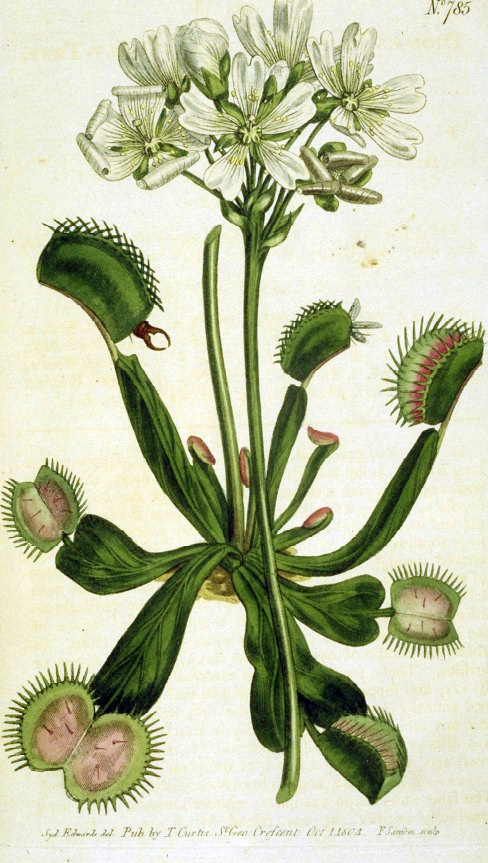
Venus Fly Trap showing trigger hairs

The Venus flytrap, or Dionaea muscipula, is a carnivorous plant that is native to the southeastern United States. This fascinating plant has gained popularity worldwide due to its unique ability to capture and digest insects, making it a favorite among many gardening enthusiasts.

Description and Characteristics

The Venus flytrap is a small plant that typically grows to about 4-6 inches in diameter. It has a unique and distinctive appearance with leaves that form a rosette, resembling an open mouth with sharp teeth. The plant’s leaves are divided into two lobes, which are hinged at the center. When an insect lands on the plant’s leaves and touches the trigger hairs, the leaves snap shut, trapping the insect inside.

The Venus flytrap’s leaves are covered with small, stiff hairs, which act as sensors to detect the presence of prey. Once the hairs are triggered, the leaves snap shut, forming a tight seal around the insect. The plant then secretes digestive enzymes that break down the insect’s body, providing the plant with essential nutrients.

Growing and Care

Growing a Venus flytrap can be a challenging but rewarding experience. These plants require high humidity and moist, nutrient-poor soil to thrive. They also need bright, indirect sunlight, which can be achieved through a south-facing window or by using artificial lights.

When watering your Venus flytrap, it’s important to use distilled or rainwater. Tap water contains minerals that can harm the plant’s delicate root system. Additionally, the plant should never be allowed to dry out completely, but it should not be over-watered, as this can lead to root rot.

Benefits

Aside from being a unique and fascinating addition to any garden, Venus flytraps can also help control insect populations in the area. They are particularly effective at catching flies, mosquitoes, and other small insects that can be a nuisance to humans.

The Venus flytrap’s ability to capture and digest insects has also led to scientific research on its potential for medicinal and industrial applications. Scientists are exploring the plant’s enzymes for use in pest control, as well as for their potential in treating certain diseases.

Conclusion

The Venus flytrap is a truly remarkable plant that has captured the fascination of people around the world. Its unique trapping mechanism and ability to digest insects make it a popular choice for gardeners and nature enthusiasts alike. With proper care and attention, this plant can thrive and provide a truly unique addition to any collection.